How Did the Beat Go Again

From May 23 to June 14, 2020, New Zealand experienced absolutely zero new coronavirus cases. These numbers stand in stark contrast to the totals coming in from many other countries around the world, including the The states, which reported more than than 500,000 new cases during that time.
Throughout 2020, New Zealand experienced a few spikes in positive cases: In August, positive COVID-19 infections peaked at 19 cases, and, in October, officials recorded a high of 25 positive cases. Although in that location has been no community transmission of the novel coronavirus in New Zealand since November 18, 2020, around 10 cases were recorded in mid-December, stemming from the travelers using the state'due south extensive hotel quarantine system.
All of this to say, New Zealand has continued to keep novel coronavirus cases at bay. To date, New Zealand has seen 2,181 cases of COVID-19, whereas, to date, the United States has seen a staggering xx.7 one thousand thousand cases. The disparity betwixt these infection rates has prompted many to question just how New Zealand was able to "shell" COVID-19. Amongst fears of a new strain of the virus, New Zealand is standing to exercise circumspection and, in doing so, has set an instance we could all learn from.
Complimentary Community Testing
While the initial testing procedures in New Zealand instructed healthcare workers to only test those who had recently traveled and were experiencing multiple COVID-19 symptoms, the country apace eased these restrictions to allow for greater testing. New Zealand has near 4.eight million people, and, to date, fewer than .03% of the population has defenseless the novel coronavirus to appointment.
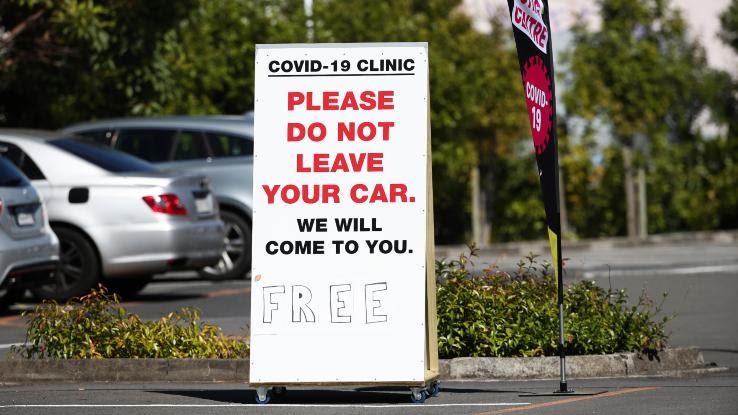
Part of the country'due south success can be attributed to only how early on the testing began. Between late February and belatedly May 2020, nearly 6% of the country's population was tested for COVID-19. Gratuitous voluntary testing was offered in supermarkets all across the country, assuasive scientists to go a glimpse into pocket-size and large communities and monitor if the virus was still infecting new people in those areas.
If the New Zealand government had waited to secure testing supplies for its citizens and failed to implement widespread testing procedures, information technology's possible the virus could have spread much faster. Individuals with confirmed diagnoses of COVID-19 must isolate themselves to remove the take chances to their customs, and widespread testing makes that safety mensurate possible. With greater testing comes greater societal safety, shorter lockdown periods and more rapid medical response to those who need it the well-nigh.
Three days before New Zealand experienced its first real respite from COVID-nineteen, the country's Ministry building of Health released the NZ COVID Tracer app. This smartphone/tablet awarding encourages citizens to set upwardly an business relationship with their personal information and then allow the app to monitor their movements via scannable QR codes on the exteriors of buildings. GPS features may be added in the futurity.

Users who access the app can also report troubling symptoms. Later the symptoms are reviewed, the user may be referred to a nearby testing facility. If they test positive, they will receive an abundance of information about self-isolating at home, or they tin immediately seek treatment at a medical centre.
Contact tracing has allowed the government to deploy supplies and services to those with the greatest need. While some may not approve of the monitoring aspect involved in contact tracing, it has helped quell the coronavirus outbreak. With each passing week, contact tracing helps eliminate the resurgence of new cases.
Shelter-in-Place Policies
Stay-at-domicile pleas and campaigns often came too late and received besides little enforcement in countries such as Italia, England and the United states of america. New Zealand's citizens began cocky-isolating in March, and they took the shelter-in-place mentality seriously. Without a incertitude, it helped that the nation'due south Prime number Minister, Jacinda Ardern, used Facebook to communicate with her fellow Kiwis throughout the shelter-in-place period. Her down-to-earth nature, friendliness and requests for kindness and agreement helped encourage others to follow suit. Citizens were allowed to go out their homes for essential needs, simply the streets chop-chop became barren places.
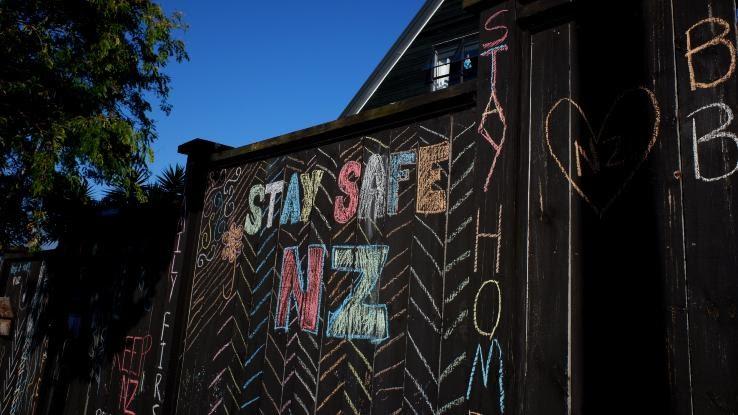
With the majority of the population staying rubber in their homes, the community spread of the virus immediately stagnated and, for a long time, ceased. Over the summertime, the government launched a campaign urging folks with a cough to "sit down this one out," creating a communal spirit around fighting the spread of the virus, all while acknowledging the challenges of lockdown. This trend is one of the most powerful examples of what a dedicated, compassionate and conscientious community tin do to protect themselves from COVID-xix. Because this mutual lockdown was so successful, the country began to lift restrictions only a calendar month or and then later its initial inception.
Consistent Advice
Advice between the New Zealand regime and its people has been exceptionally straightforward and clear during the COVID-19 pandemic. Mostly, this communication came in the grade of Prime Minister Jacinda Ardern's Facebook chats, although official press conferences were held earlier and after the shelter-in-place period.
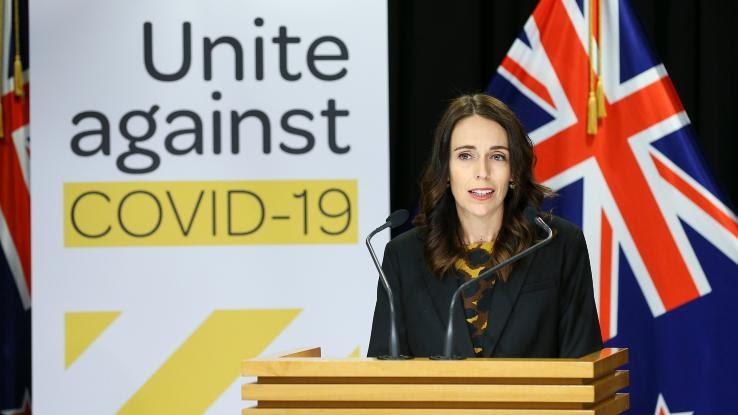
Withal, the people in New Zealand saw their elected leader taking extreme measures to protect herself, her family and her fellow citizens from communicable the novel coronavirus. She had no qualms about washing her hands, restricting her outdoor movement and activities, and using a face mask and gloves when she had to buy groceries.
She provided an first-class example for others to follow, and she made a habit of logging on and opening a dialogue betwixt herself and her constituents via Facebook Live. These consistent and heartfelt updates kept citizens informed and at-home and ultimately helped adjourn continued panic-buying and stockpiling.
Conscientious Residents
While the Prime Minister was administering hopeful talks from home, the people were listening. For the most role, every New Zealand resident took the growing threat of infection seriously and did their role to reduce the spread of COVID-xix.

This waterfall of protective activity began with government suggestions and ended at home, where parents discussed safe measures and social distancing with their children. Earlier schools began to close, instructors prepared their students by addressing personal health and safety techniques (hand washing, wearing a mask, not touching your eyes or mouth).
Connected Efforts in 2021
In mid-June 2020, New Zealand reported its outset new cases in more three weeks when two women re-entering the land from the United Kingdom tested positive for the novel coronavirus. Thank you to contact tracing, officials were able to monitor the 302 individuals that the ii women came into contact with, thus mitigating a serious outbreak.
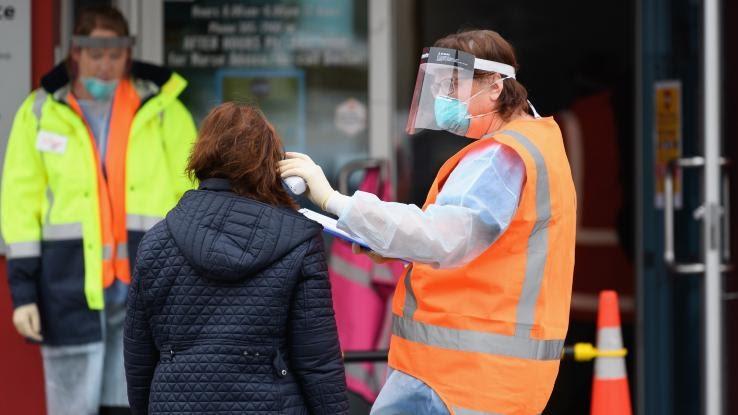
Since that scare, New Zealand's Prime Minister deployed military personnel to enforce proper quarantine processes for travelers. While the country did close its borders for a time, it reopened them to citizens with a strict hotel quarantine procedure in place. That is, travelers are required to show a negative COVID-19 test before their departure and, upon their arrival, must undergo a two-week quarantine process.
So far, this system has helped curb infection rates — and it's clear that this kind of caution will exist peculiarly instrumental equally countries around the world navigate the new strain of COVID-19 that's cropped upwards in the United Kingdom. All of this to say, remaining vigilant seems to be the best course of action — 1 that other countries around the world could stand up to replicate.
Source: https://www.reference.com/geography/reasons-new-zealand-beating-covid-coronavirus?utm_content=params%3Ao%3D740005%26ad%3DdirN%26qo%3DserpIndex
0 Response to "How Did the Beat Go Again"
Post a Comment